Ilford garden clearance and waste rules explained by gardeners
Posted on 20/11/2026

If you are clearing a garden in Ilford, the job is never just "cut it back and chuck it out." There are waste rules, practical limits, and a few easy-to-miss details that can turn a simple tidy-up into a messy afternoon. In this guide, we explain Ilford garden clearance and waste rules explained by gardeners in plain English, so you can clear beds, hedge cuttings, soil, timber, and mixed garden waste without creating extra problems for yourself. You will also see where gardeners tend to save time, where people often get caught out, and how to plan the job so it feels manageable rather than overwhelming.
Truth be told, most garden waste issues are not dramatic. They are usually the small things: a bag too heavy, soil mixed with rubble, green waste left out too early, or a pile that should have been separated before collection. That is exactly why a grounded, local explanation helps.
Why Ilford garden clearance and waste rules explained by gardeners Matters
Garden clearance sounds straightforward, but waste rules shape almost every decision you make. If you know what counts as green waste, what needs special handling, and what should never be mixed together, the whole process becomes cleaner, safer, and usually cheaper. In Ilford, that matters because many gardens are compact, access can be tight, and a full skip or repeated van trips is not always the neatest solution.
Gardeners tend to think in practical categories. Cuttings go here. Woody material goes there. Soil is its own thing. Broken pots, old fencing, and treated timber are different again. That simple habit avoids contamination, which is one of the most common reasons garden waste becomes harder to dispose of responsibly. It also helps if you are planning a wider refresh, such as an overgrown front garden or a tired back garden that needs a full reset. If that sounds familiar, a useful starting point is refreshing an overgrown garden.
Expert summary: The cleaner the sorting, the easier the clearance. In practice, that means fewer heavy loads, fewer rejected bags, and fewer unpleasant surprises when disposal day arrives.
There is also the neighbour factor. Garden clearance can create noise, dust, leaf litter, and trip hazards if it is handled carelessly. A tidy process keeps your own space safer and avoids spreading debris across shared paths or driveways. Not glamorous, but very real. And yes, it saves you from that awkward moment when a bag splits just as you are carrying it down the side return. We have all seen that look.
How Ilford garden clearance and waste rules explained by gardeners Works
The practical process usually starts with sorting. Most garden waste falls into a few broad groups:
- Green waste: grass, leaves, plant trimmings, small branches, weeds, hedge cuttings, and dead annuals.
- Woody waste: thicker prunings, shrub stems, small tree branches, and untreated timber from garden structures.
- Soil and turf: heavy, mineral material that needs different handling from light green waste.
- Mixed bulky waste: pots, broken planters, old compost bags, garden furniture, fencing, decking offcuts, and similar items.
Gardeners usually work from the top down. First remove obvious waste on the surface. Then tackle the growth. Then bag, bundle, or stack materials by type. This sounds basic, but it prevents a lot of fuss later. A pile of branches mixed with wet leaves and old compost bags is much harder to manage than three separate piles.
Another key point is that "garden waste" is not one single disposal category in the way many people assume. A bag of hedge clippings is one thing. A bag containing stones, old soil, plastic ties, and cuttings is quite another. If you are doing your own clear-up, aim to keep clean green waste separate from anything non-organic. If you are hiring help, ask how they sort, load, and remove waste before they arrive. Good gardeners usually like that question because it shows you care about doing things properly.
For living growth that has simply got out of hand, a planned cutback is usually better than a random chop. The right sequence matters, especially with climbers, woody shrubs, and dense areas like ivy. If ivy is part of the problem, you may find it useful to read a step-by-step ivy removal plan. It is a classic example of where clearance is as much about method as strength.
In many gardens, the clearance stage overlaps with maintenance. That is especially true where lawns, borders, and paths all need attention together. A routine service such as garden maintenance in Ilford can help keep waste volumes lower in the first place, which is often the real win.
Key Benefits and Practical Advantages
Clear rules and sensible handling give you more than a cleaner garden. They create a better working rhythm. Here is what that looks like in practice:
- Less physical strain: sorting waste before lifting it means fewer awkward, overfilled bags and fewer heavy, unbalanced loads.
- Lower disposal risk: clean material is easier to move on responsibly than mixed waste.
- Faster progress: a planned clearance stops you from rehandling the same pile twice.
- Better garden recovery: once waste is out, the space can be pruned, replanted, levelled, or cleaned properly.
- Cleaner results: beds and paths look noticeably sharper when debris is removed methodically, not just swept around.
There is a quieter benefit too. You get a better feel for the garden itself. When the clutter goes, you can see where the light falls, where water pools, which shrubs are worth saving, and which spaces need redesign. That is often the point where a quick tidy-up turns into a more thoughtful improvement. If you want to make use of the newly opened space, ideas from low-maintenance garden ideas can be very handy.
For people with pets, families, or limited outdoor storage, clearance also reduces hazards. Loose sticks, sharp cuttings, and rotten timber are easy to trip over. A dog can drag off a twig; a child can step into a hidden pile; a wet path can become slippery fast. Not ideal. A clearer layout makes the whole garden easier to live with day to day.
Who This Is For and When It Makes Sense
This topic is relevant to more people than you might expect. It is not just for homeowners with a wilderness of brambles at the back fence. Garden clearance and waste sorting matter if you are:
- preparing a property for sale or letting
- recovering a neglected garden after a long period of growth
- refreshing a lawn, patio edge, or hedge line after winter
- removing ivy, weeds, saplings, or old planting
- upgrading borders, sleeper beds, fencing, or decking areas
- dealing with a large seasonal cutback after strong growing months
It also makes sense if the garden has mixed materials. Once you start pulling up old turf, cutting woody growth, and removing broken furniture or soil, the job stops being a simple tidy and becomes a logistics problem. That is where many people feel stuck. Do you bag it? Heap it? Compost it? Move it in stages? The honest answer is: it depends on what it is, how much there is, and whether you want it gone quickly or gradually.
If you are unsure where to begin, ask yourself one plain question: what would make the garden safer and easier to work in tomorrow morning? That answer often gives you the first job. Sometimes that means clearing a path. Sometimes it means cutting back a hedge. Sometimes it means dealing with the pile that has been sitting there since, well, last autumn and now resembles its own ecosystem.
For bigger projects, it is often smart to tie clearance into broader services such as landscaping support or tree surgery in Ilford when trees, heavy branches, or structural changes are involved.
Step-by-Step Guidance
Here is a practical way gardeners usually approach a garden clearance without overcomplicating it.
- Walk the garden first. Look for hazardous items, hidden rubble, pooled water, broken glass, or waste that could snag tools. This first walk takes minutes and saves a lot of trouble.
- Separate the material. Put green waste in one area, woody cuttings in another, and hard waste somewhere else. Keep soil and turf apart if possible.
- Remove the obvious hazards. Pick up loose branches, broken pots, wire, and anything sharp before cutting starts.
- Cut back in the right order. Start with the biggest obstruction, then work down to smaller weeds and detail pruning. If you clear the top layer first, access improves very quickly.
- Bundle or bag by weight. Overfilled sacks are the classic mistake. They are awkward to carry and more likely to split. Aim for liftable, tidy loads.
- Check what cannot be mixed. Soil, treated timber, rubble, and plastics should not be tipped into the same pile as green waste if you want a clean disposal route.
- Load out carefully. Keep paths clear, protect paving where needed, and avoid dragging thorny cuttings across patios or decking.
- Finish with a clean-up sweep. Tiny bits matter. A final rake, broom, or blower pass often changes the whole look of the space.
If you are clearing a patch to replant, give yourself a moment to think about what the garden should become next. A bare space is not just an absence of mess; it is a new opportunity. You might want privacy planting, more structure, or a lower-maintenance ground layer. For inspiration, see fast-growing privacy hedges or ground cover ideas for a garden makeover.
Expert Tips for Better Results
Small habits make clearance much smoother. Gardeners notice this all the time.
- Work dry if you can. Wet cuttings are heavier, messier, and more likely to compact into stubborn lumps.
- Trim before you haul. Long branches take up more space than they need to. A few extra cuts can halve the load volume.
- Protect surfaces early. A sheet, tarp, or drop cloth can save your patio from scratches and sap marks.
- Don't mix compostable material with contaminated waste. One plastic plant tie or bit of rubble can spoil an otherwise clean green waste pile.
- Plan access before you start. If the side gate is narrow or the path is awkward, sort the route before the pile gets bigger. Sounds obvious. It often gets forgotten.
A useful rule of thumb: if you cannot lift a bag safely with one hand while keeping your footing steady, it is probably too heavy. No prize is awarded for heroic bag lifting. In fact, the garden usually wins that round.
Another pro move is to pair clearance with a future maintenance plan. For example, if weeds keep returning along a border edge, you may want to combine clearance with better planting, edging, or regular visits. A simple read like tips for keeping a yard weed-free is a useful companion when you are trying to reduce repeat work.
If you want to build a smarter, easier garden after the clear-out, it can help to think in layers: structure first, planting second, detail maintenance last. That approach makes the next round of waste smaller. And honestly, that is what most people want.
Common Mistakes to Avoid
Most clearance mistakes are avoidable, but they happen because people rush the first hour. A few common ones stand out.
- Mixing all waste together. It is tempting, but it creates more sorting later and can make disposal less straightforward.
- Overfilling bags or bins. Too much weight leads to splits, spills, and sore backs.
- Ignoring hidden debris. Old nails, broken edging, and buried rubble often show up only after the main cutback starts.
- Assuming every green pile is harmless. Diseased material, invasive growth, or contaminated waste deserves more caution.
- Forgetting the finish. A site can look half done if leaves and tiny stems are left behind.
One subtle mistake is clearing without a next step. You finish the pile, stand back, and then realise the garden still looks awkward because the space has no shape. That is where a little design thinking helps. If the area feels exposed, a screen or hedge can calm it down; if it feels bare, ground cover may soften it; if it feels cramped, a cleaner layout or vertical planting can open it up. For ideas, shade and privacy planning and vertical garden concepts are worth a look.
And one more thing: do not keep delaying the awkward pile because "it is only a bit more work." That phrase has ended many a Saturday. It really has.
Tools, Resources and Recommendations
You do not need a professional arsenal to clear a garden well, but a few practical tools make the job much easier. Gardeners typically rely on:
- strong gloves with grip
- secateurs and loppers for stems and small branches
- a pruning saw for thicker woody material
- a rake for leaves, moss, and loose debris
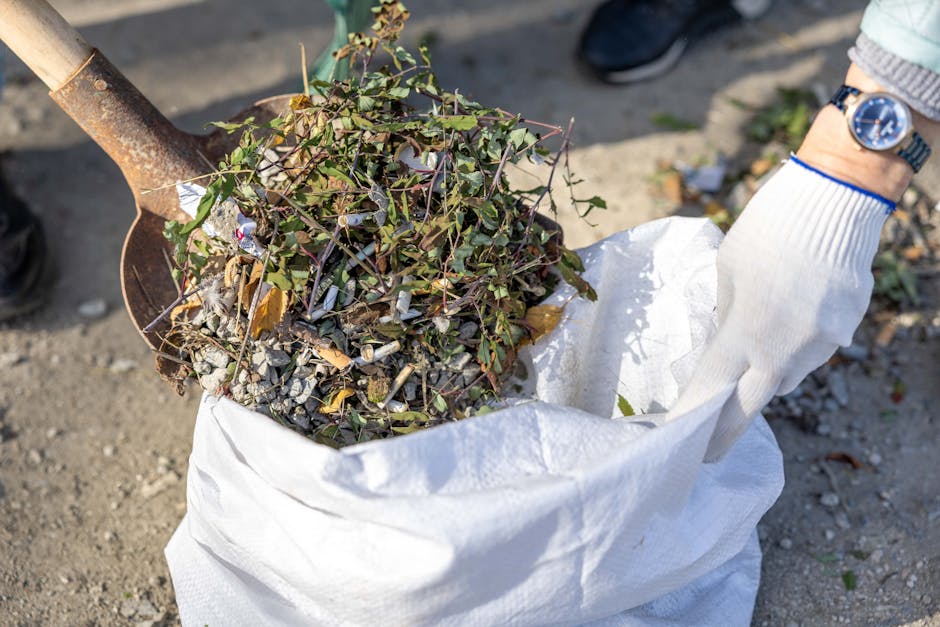
- sturdy sacks, builders' bags, or wheelbarrows for transport
- a broom or blower for patios and hard surfaces
- tarps or sheets for moving waste across a lawn or driveway
For people tackling heavier jobs, the right tools reduce wasted effort. A poor pair of gloves, for example, can turn an afternoon of steady work into a blisters-and-regret situation. If you are building a better kit, this guide to essential gardening tools is a practical starting point.
It also helps to think about what happens after clearance. If the space will be replanted, composting suitable waste can reduce what leaves the property. If the area is being cleaned for a new use, such as seating or a new lawn edge, you may want to plan the next trade or service now instead of later. For example, a cleared paving area may lead you toward patio cleaning in Ilford, while a worn lawn could point to lawn care support.
For garden owners who value tidy, low-stress upkeep, it can also be sensible to keep some routine services in the background. Regular visits reduce the bulk of future clearance jobs, which is a nice little win. Less drama, less waste, less stress.
Law, Compliance, Standards and Best Practice
When people ask about waste rules, they are usually asking two things at once: what is allowed, and what is responsible. In the UK, garden waste is expected to be handled carefully, with an emphasis on keeping waste streams separate, avoiding unsafe dumping, and using approved collection or disposal routes. The exact local arrangements can vary, so it is wise not to assume every garden bag can be treated the same way.
The safest professional mindset is simple:
- do not mix garden waste with hazardous materials
- keep soil, rubble, and green waste separate where possible
- handle sharp, heavy, or contaminated items with care
- avoid leaving waste where it blocks access, drains, or public paths
- use a reputable collection route rather than an unknown shortcut
Best practice also includes safe lifting, sensible stacking, and avoiding overloading vehicles or containers. If a job is unusually large, awkward, or potentially risky, it may be better handled by a team that knows how to lift, load, and sort without causing damage. That is especially true for mature hedge cuttings, bulky waste, or clearance near fences, decking, or trees. If a job touches structural timber, you may also want to consider fencing support or decking services once the waste is removed.
For trust and transparency, it is always sensible to read the company's policies on safety and process before booking any garden work. Pages such as health and safety policy, insurance and safety, terms and conditions, and privacy policy can help you understand how a provider works. That may sound a bit formal for a garden job, but it matters. A tidy garden should come with tidy paperwork too.
Options, Methods, and Comparison Table
There is more than one way to deal with garden waste. The right option depends on volume, access, and the kind of material you have. Here is a straightforward comparison.
| Method | Best for | Strengths | Trade-offs |
|---|---|---|---|
| DIY bagging and local disposal | Small tidy-ups and light green waste | Low cost, flexible, fine for routine pruning | Time-consuming, heavy lifting, not ideal for mixed waste |
| Gardener-led clearance | Overgrown plots, regular maintenance, mixed pruning | Efficient, cleaner sorting, better finish | Costs more than doing it yourself |
| One-off major clearance | Neglected gardens, move-out prep, seasonal reset | Fast transformation, useful for large or awkward spaces | Can generate a big waste volume in one go |
| Clearance plus redesign | Gardens that need a fresh layout or lower maintenance | Solves the root problem, not just the mess | Takes more planning up front |
If you are choosing between methods, think about what the garden needs a month from now, not just what looks quickest today. A cheaper shortcut can become an expensive repeat job. On the other hand, a neat reset often makes later maintenance simpler. That is why many people bundle clearance with ongoing services such as lawn mowing in Ilford or hedge trimming in Ilford.
Case Study or Real-World Example
Here is a realistic example from the kind of job gardeners see all the time. A back garden in Ilford has been left alone through a damp spring and a busy summer. The border is full of weeds, the hedge has pushed outward, ivy is climbing across one fence panel, and there is a pile of old clippings sitting by the shed. Nothing dramatic on its own. Together, it feels like a lot.
The best approach is not to start at the nearest visible mess and hack away. Instead, the gardener would usually:
- clear the access route first
- separate the ivy and woody material from the green waste
- remove the weeds and loose debris from borders
- reduce hedge bulk in stages
- check the fence line and any soft spots in the soil
- finish with a sweep and a disposal plan for the sorted waste
Once that is done, the garden looks larger, safer, and much easier to maintain. You can actually stand in it and think, which is a nice change. In a case like this, the clearance is not the end point. It is the reset that makes proper garden care possible again. If the space has also become low-light and awkward to plant, evergreen climbers for low-light areas can be a useful next step.
That is the real value of good clearance: it gives the garden back its shape before you spend money on anything else.
Practical Checklist
Use this simple checklist before you begin or before you book help.
- Walk the garden and note all waste types
- Separate green waste, wood, soil, and hard waste
- Check for sharp items, rubble, or hidden hazards
- Decide whether the job is a tidy-up or a full clearance
- Confirm access for carrying waste out safely
- Prepare bags, tarps, gloves, and cutting tools
- Plan what should be kept, composted, or removed
- Avoid overfilling bags and containers
- Finish with a sweep, rake, or blow-down
- Arrange the next step for the space, such as maintenance or planting
Quick takeaway: the best garden clearances are tidy, sorted, and staged. Do that, and the whole job gets easier. Simple as that.
Get a free quote today and see how much you can save.
Conclusion
Ilford garden clearance and waste rules explained by gardeners is really about doing the job in the right order. Sort the waste, respect the material you are moving, protect the surfaces and access routes, and plan the next use of the garden before the pile grows larger than the problem itself. That approach saves effort, reduces stress, and gives you a result that feels properly finished rather than half-done.
Whether you are tackling a seasonal cutback, a neglected patch, or a full outdoor reset, the smartest path is the one that keeps the work safe, tidy, and realistic. And once the clutter is gone, the garden almost always feels more generous than you expected. A bit of light, a bit of space, and suddenly the whole place breathes again.
That is usually the moment people remember why they wanted a garden in the first place.

Leveraging his knowledge in gardening, Tim possesses the ability to create informative articles on landscaping, lawn maintenance, and garden care, enabling hundreds of individuals to relish the garden they've desired.